|
The OPD has a large centrally
air-conditioned waiting cum reception area with seven
well-equipped examination rooms. |
|
 |
| |
|
|
| The patient care services provided can be evidenced by the following descriptions of the activities performed by our specialty services: |
| |
| The Cataract and Primary Eye Care Service is the major activity of the Institute. Approximately 15,000 patients are seen each year. Each year hearly 3000 of patients undergo cataract surgery at the Institute, benefiting from the experience of the distinguished faculty. |
| |
| The Cornea Clinic diagnoses and treats corneal dystrophies, abrasions, scars Keratocomes, and other corneal problems. Corneal transplants and other surgeries are performed each year with gratifying results. Corneal mapping is possible for the accurate assessment of the corneal damage. |
| |
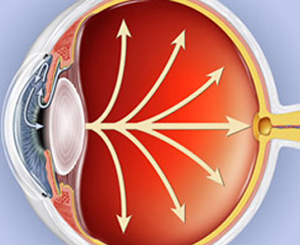
| The Glaucoma Clinic provides a glaucoma assessment program to uncover the earliest signs of glaucoma in suspected patients, as well as charting the progression of the condition, including serial optic nerve photography in patients who have already been diagnosed. Surgical and LASER facilities are available for the treatment of glaucoma. |
| |
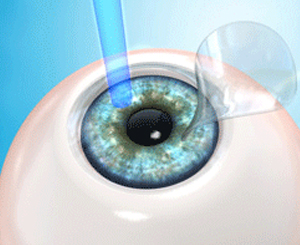
| The LASIK LASER Clinic treats patients suitable for treatment after a strict evaluation program. The service provides realistic expectations to the patients and helps them see well without glasses. |
| |
| The Oculoplastic Clinic is a service that focuses on problems surrounding the eyeball. These include conditions like Ptosis, other congenital and acquired eyelid disorders, and diseases of the orbit as well as the lacrimal system. The Service also includes a cosmetic surgery unit. |
| |
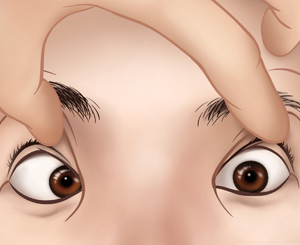
| The Squint Clinic treats the unique ocular problems of children including Squint (crossed eyes) and Amblyopia (lazy eye). Surgeons also perform cataract and other surgeries on children. |
| |
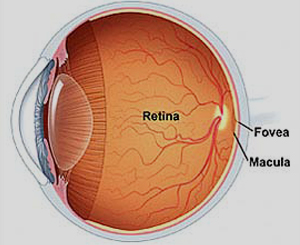
The Retina Clinic treats all vitreoretinal diseases, including macular degeneration, diabetic retinopathy, other
vaso-proliferative diseases, and tapeto-retinal diseases like retinitis pigmentosa. |
|
| Inpatient services: |
| |
| The Institute has a nursing home of 25 beds including 7 free beds for the economically weaker sections of the society. All private rooms are air-conditioned with attached bathrooms and intercom facility.The
general ward is air-cooled with an attached bathroom. |
|
 |
| |
 |
| Operation theatre: |
| |
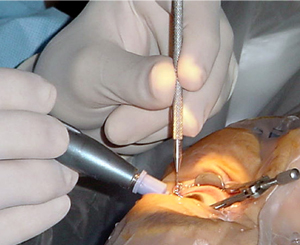
| There is a twin operation theatre complex with a vast set-up of latest micro-surgical instruments. The major equipment includes Zeiss OPMI 6 and Takagi OMS operating microscopes with closed circuit colour TV and Video facility. dorc vitrectomy unit, Zeiss Endolaser and Phacoemulsification units Sovereign and Millennium . |
| |
| In addition to the regular equipment for anaesthesia there is a Cardiac monitor and Pulseoximeter for monitoring of the patent during anesthesia and defibrillator. A 75 KVA automatic generator for continuous electric supply backs the Institution. The Institute undertakes all types of ophthalmic microsurgery and the specialized surgical procedures available include: |
| |
| Facilities |
| |
| Phacoemulsification with IOL implantation
(Small incision cataract surgery / Stitchless cataract surgery)
|
| Corneal grafting (Eye Transplantation)
|
| Squint surgery
|
| Retinal detachment surgery
|
| Vitrectomy with Endolaser photocoagulation
|
| Orbital and Oculoplastic surgery
|
| ‘C’ Lasik Surgery
|
| C3R Surgery
|
| Penetraty keratoplarty (corneal transplant)
|
| Aesthetic (Cosmetic) Surgery
|
 |
| |
|